disabled_by_default



By V Serve Canada
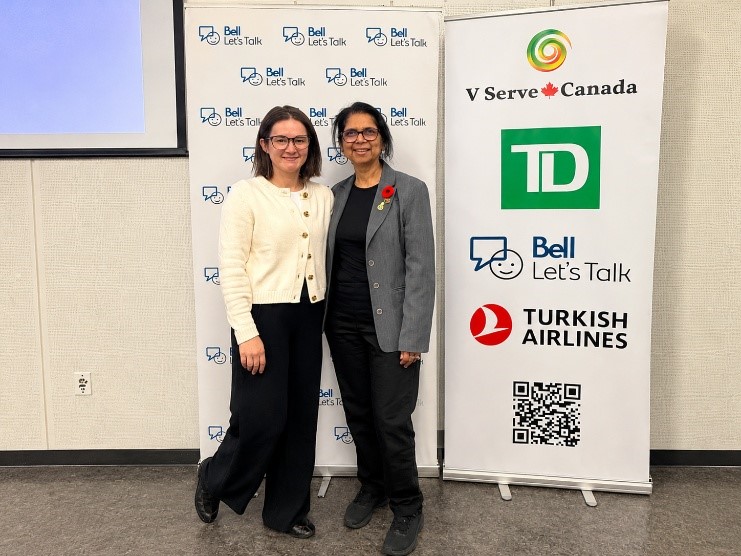
Presented by V Serve Canada in association with @bell_letstalk, with the support of Sahara Senior Services, a recent Mental Health Workshop for Older Adults brought together members of the Mississauga community for an informative session on rehabilitation, independent living, advance care planning and emotional wellbeing.
The event featured Dr. Mary Ellen Gedye, a Family Medicine Physician and a valued member of the Rehabilitation Hospitalist Division at Trillium Health Partners since 2018. As a physician leader, she plays an important role in supporting the expansion of rehabilitation services as the program prepares for the opening of the Peter Gilgan Queensway Family Health Centre, bringing specialized rehabilitation care to the Peel Region for the first time.
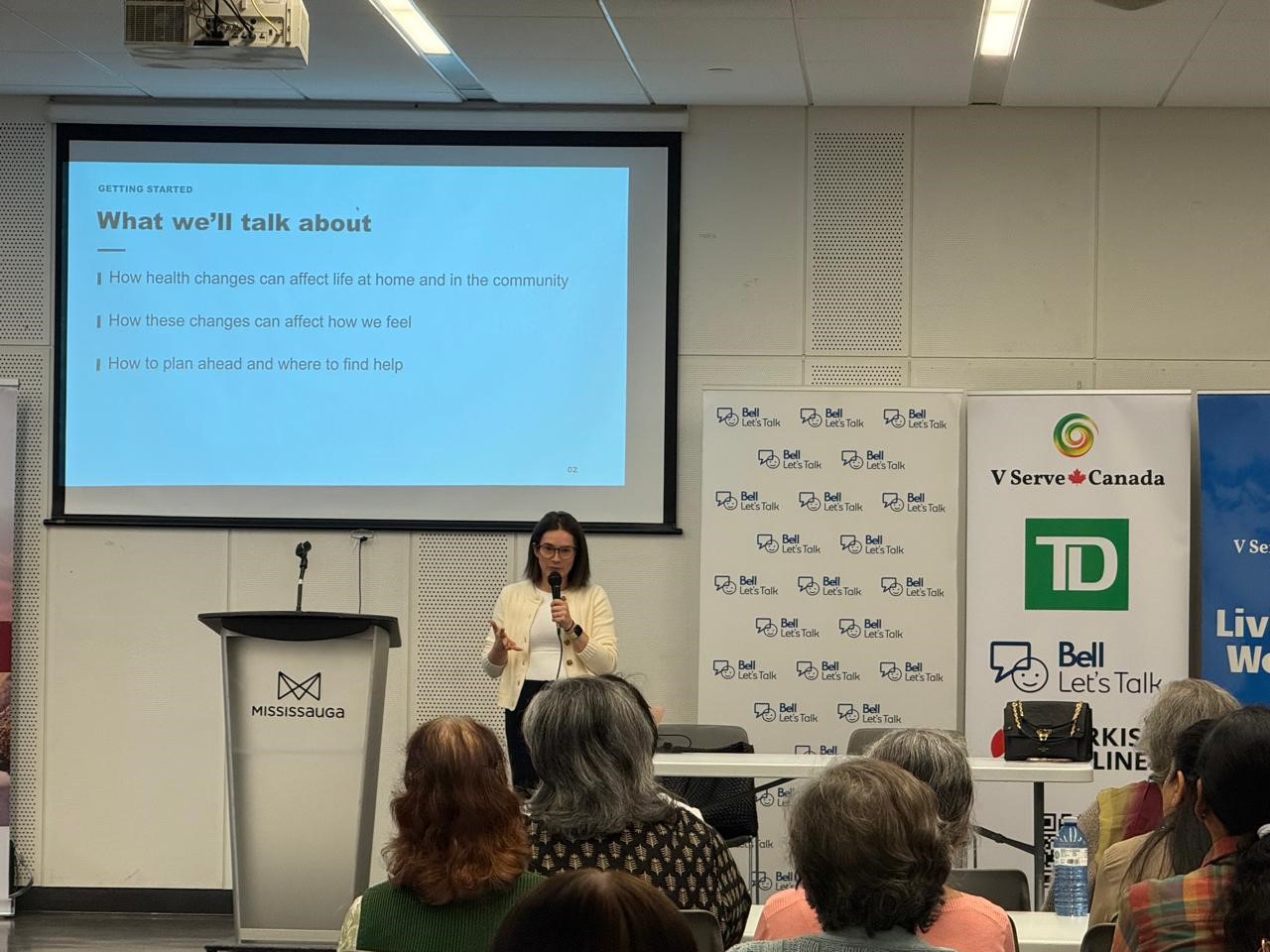
Through her experience, Dr. Gedye shared practical insights into how individuals can navigate changing health needs, maintain independence and make informed decisions about their future care.
A central highlight of Dr. Gedye's presentation focused on how changes in physical health can affect not only our daily activities but also our emotional wellbeing and relationships.
Illness, injury and age-related changes can make everyday tasks such as driving, cooking, getting dressed and walking increasingly challenging. Individuals may also find themselves spending less time with family, friends and their communities, sometimes affecting their sense of purpose and emotional wellbeing.
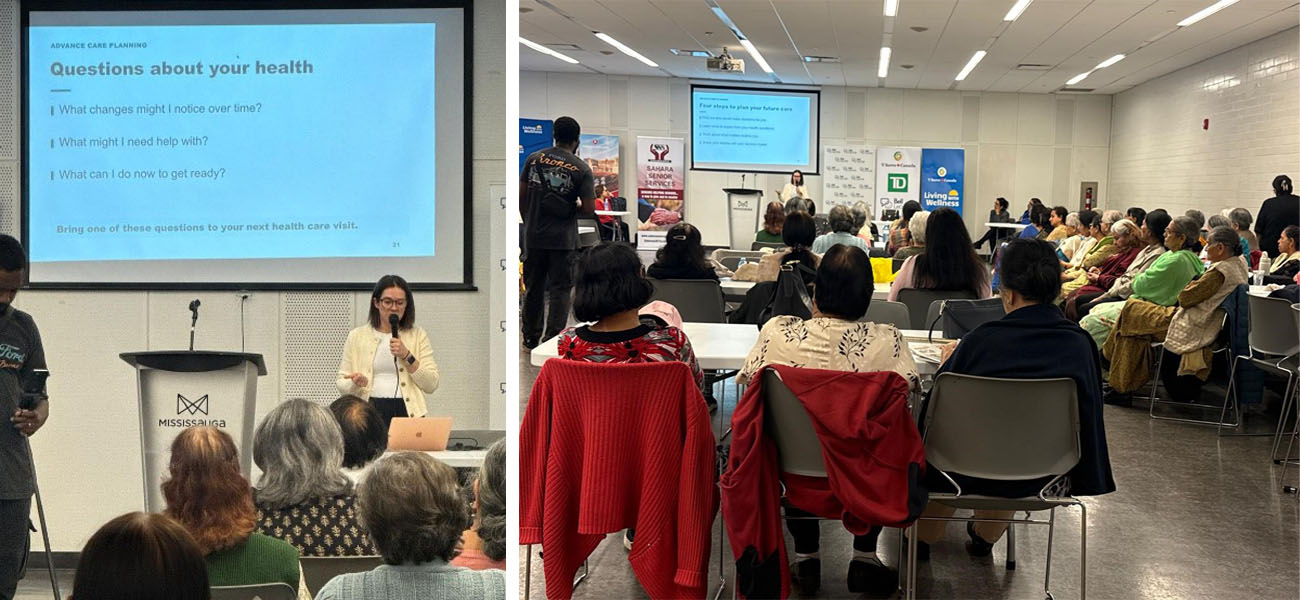
Key takeaways from the discussion included:
Staying Connected: Even when physical abilities change, individuals can continue sharing their knowledge, experiences and strengths with others.
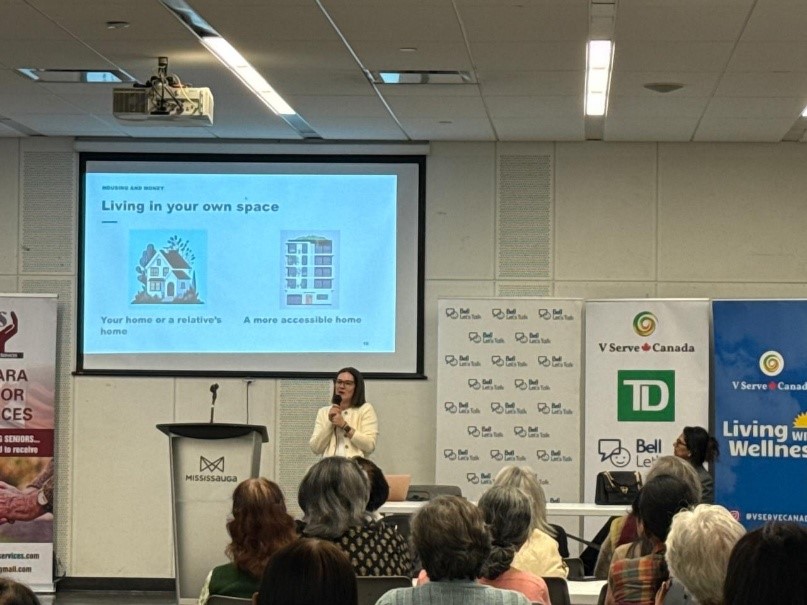
Understanding the differences between retirement homes and long-term care facilities can help individuals and families make informed decisions about future living arrangements.
Dr. Gedye also highlighted the importance of financial and legal preparedness when planning for future care.
Important considerations included:
Another significant discussion centred on Advance Care Planning and the role of a Substitute Decision Maker (SDM).

In Ontario, a Substitute Decision Maker is someone legally authorized to make healthcare decisions on behalf of an individual when they are incapable of making those decisions themselves.
Dr. Gedye encouraged participants to understand who their decision maker under Ontario’s legal framework would be and to have conversations about their healthcare preferences in advance.
Some important steps included:
The session reinforced four essential steps to planning future care: identifying your decision maker, understanding your health conditions, reflecting on what matters most and communicating your wishes.
The workshop provided a welcoming space for older adults to learn, reflect and better understand the practical aspects of rehabilitation, independent living and future care planning.
Through Dr. Gedye's insights, participants were reminded that rehabilitation goes beyond physical recovery. It is about rebuilding confidence, restoring independence, maintaining emotional wellbeing and ensuring that individuals have access to the right support as their needs change.
V Serve Canada, in association with Bell Let's Talk and with the support of Sahara Senior Services, remains committed to creating accessible opportunities for learning, awareness and meaningful community engagement.
Plan Today, Live with Confidence Tomorrow: Whether it is exploring rehabilitation services, understanding living arrangements or discussing advance care planning with loved ones, taking informed steps today can make a meaningful difference to your future wellbeing.

